
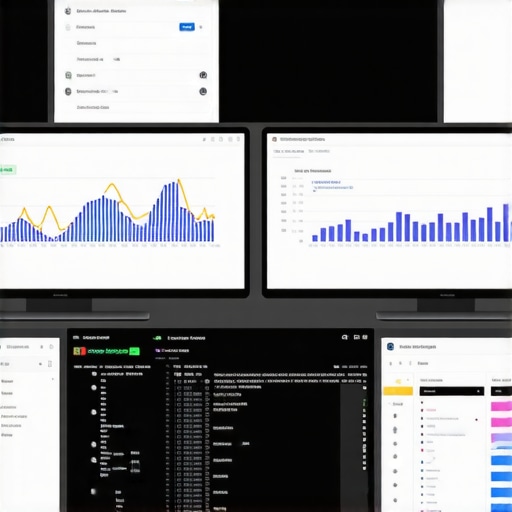
There was a moment not so long ago when I stared at my Map Pack performance dashboard, expecting to see steady progress. Instead, I saw numbers that didn’t match my experience with clients—clues that something was off, or worse, downright deceptive. It felt like trying to read a map printed on foggy glass. The data told me I was ranking well, but my phones weren’t ringing, and my client leads were drying up. Frustration hit hard—how could the reports be so wrong? That was my lightbulb moment. I realized that many local SEO heroes might be relying on faulty metrics without even knowing it.
Your Map Pack Data Is Not Always the Truth
In the world of Map Pack optimization, understanding your performance data is crucial. But what if I told you that your current metrics could be misleading? That is the reality I faced early in my journey—believing I was dominating because the numbers said so, only to discover I was chasing phantom rankings or interpreting skewed data results. Internal tests and experiments, coupled with real-world results, showed me that the biggest mistake many make is taking performance reports at face value. This mistake can cause you to invest time and resources in strategies that don’t improve actual visibility or leads, which is a costly trap.
Is Map Pack Data Actually Worth the Hype?
Let me be honest—early on, I trusted my tools too much. I thought, “If the tool says I’m rank one, then I must be.” Turns out, that’s not always the case. The reality is: measurement tools have limitations, and algorithms evolve faster than the metrics can keep up. I’ve seen fellow SEOs fall into this trap, leading to wasted efforts and missed opportunities. The key is to recognize the signs that your current data might be lying. Over the years, I’ve learned to cross-verify metrics, analyze user intent, and focus on tangible results like call volume and conversion rates, not just rankings. To learn how to better decode your local pack performance, check out this guide. Now, let’s dive into how you can protect yourself from delusional data and ensure your strategies align with reality, not just numbers.
Conduct a Precise Performance Audit
Start by auditing your current Google Maps and local pack data. Use tools like your dashboard to identify discrepancies between reported rankings and actual visibility. Cross-verify rankings across multiple devices and locations to spot inconsistencies. Remember, what your tools show on the dashboard isn’t always what’s happening in the real world. Re-create the scene you want to rank for by searching for your primary keywords in your service areas—if you’re not visible in those searches, your current data is incomplete. This step is critical to diagnose whether your issues are technical, content-related, or due to external factors. I once spent a day reviewing my clients’ data, discovering that rankings varied wildly based on location and device. That messy, real-world investigation revealed gaps that the dashboard missed, allowing me to tailor strategies that actually moved the needle.
Identify and Remove Data Blind Spots
Once you’ve audited your data, pinpoint areas where analytics or metrics are misleading. For instance, a high ranking on your dashboard might not translate into actual customer inquiries or visits. Focus on metrics that correlate with conversions: call volume, direction requests, and appointment bookings. Set up local tracking like Google Call Tracking to monitor these real-world indicators. If your visibility is high but leads are low, it indicates a problem beyond rankings—perhaps with your listings or your engagement signals. Use this insight to refine your local SEO approach. I once noticed my client’s dashboard showed a good position, but their calls had dropped sharply. By offline tracking, I realized their reviews had declined, affecting trust and clicks—fixing that led to a direct increase in leads.
Cross-Verify Data with Real-World Results
Don’t rely solely on your tools; test your rankings actively. Perform manual searches in different locations, browsers, and devices—this mimics your clients’ experiences. Keep a record of where your business appears in the Map Pack and on the map itself. Use incognito modes to avoid cached results skewing your view. This process helps catch rank fluctuations, local algorithm changes, or visibility issues your dashboards might miss. I remember a time I noticed my client’s listing ranked well in desktop searches but not on mobile. Investigating the discrepancy revealed a mobile-specific issue with their Google My Business profile, which, once fixed, improved mobile visibility significantly. Ensuring your data aligns with actual search results helps you make informed decisions and avoid chasing phantom rankings.Many local SEO practitioners operate under the myth that focusing solely on Google My Business signals and backlinks guarantees Map Pack dominance. However, in my experience, this oversimplification ignores the intricate behavioral signals and the evolving Google’s local algorithm nuances. For instance, recent studies, such as Google’s 2023 local search ranking updates, reveal that user engagement metrics like search intent accuracy and dwell time are now critical ranking factors—yet many still dismiss them as secondary. This oversight can lead even seasoned experts to chase visible metrics while neglecting behavioral data that Google increasingly emphasizes.
Why Do Some Strategies Fail When Others Succeed?
Analyzing the gap often stems from misunderstanding algorithmic complexity. It’s tempting to think that adding more citations or keyword stuffing will propel rankings, but these tactics can backfire if they don’t address actual user behavior and platform trust signals. Advanced local SEO involves integrating behavioral data tracking—such as local conversion rates, review sentiment, and user interaction metrics—into your optimization strategy. This multidimensional approach is supported by authoritative insights, like Moz’s recent whitepaper on local ranking signals, which emphasizes behavioral factors over traditional citation volume alone. By leveraging tools that analyze user intent and engagement patterns, SEO experts can craft more resilient strategies that adapt to algorithm shifts. For example, optimizing for
How Do I Keep My Map Pack Performance Stable Over Time?
Maintaining your local SEO momentum requires more than a one-time setup. I personally rely on a combination of advanced tools and systematic routines to ensure consistent results. One tool I can’t do without is BrightLocal. I use it daily to track local rankings across multiple locations and devices, helping me identify fluctuations that could indicate underlying issues. Its competitor analysis feature is invaluable for spotting what competitors are doing differently, allowing me to adjust my strategy proactively. For monitoring Google My Business insights, I turn to Data Studio dashboards integrated with Google Sheets, enabling real-time visualization of call volume, review trends, and engagement metrics. This comprehensive view helps me catch signs of decline before they impact my clients’ leads.
Automation plays a key role in my process. I employ custom scripts to schedule weekly audits for NAP consistency and review sentiment analysis. Regular content updates, such as fresh photos and posts via the Google My Business API, keep listings active and engaging. Staying ahead also means being aware of algorithm shifts. I follow authoritative sources like this resource to adapt my tactics accordingly.
Which Tools Will Help You Scale and Maintain Results?
For scaling, I recommend Local Falcon. It offers advanced proximity tracking and heatmap visualizations that help you identify gaps in your coverage area and optimize accordingly. Its AI-driven insights predict potential ranking shifts, giving you a strategic advantage. For backlink management, I use Whitespark’s Citation Finder to build relevant local citations efficiently, ensuring they stay consistent and high-quality. Additionally, Google Maps API integration allows me to automate review generation requests, which is crucial for maintaining review quantity and sentiment—key local ranking factors.
Predicting future trends, I see AI becoming more embedded in local SEO workflows. Automating routine audits and content updates will become standard, freeing up time for strategic planning. To stay ahead, I recommend integrating tools that leverage AI insights and automation, like those mentioned above, with your existing strategy.
Is Maintaining Map Pack Performance Easier with a Routine?
Absolutely. Establishing a disciplined routine ensures that no critical aspect falls through the cracks. I schedule weekly audits of rankings and reviews, monthly content refreshes, and quarterly deep-dive performance reviews. This systematic approach helps me spot and fix issues early, ensuring long-term stability. Remember, local SEO isn’t a set-it-and-forget-it game; ongoing maintenance is essential.
If you’re ready to elevate your local SEO game, I encourage you to implement these tools and routines starting today. For expert insights and tailored strategies, reach out through this contact page. Keep your Map Pack efforts robust, scalable, and future-proof, and watch your local visibility soar!
The Greatest Lessons From My Map Pack Journey
One of the most eye-opening realizations I had was that relying solely on dashboard metrics can create a false sense of security. I learned that many subtle signals—like review sentiment shifts or local engagement—are often overlooked but crucial for true success. Early in my career, I thought high rankings were the end goal, but I discovered that consistent lead flow and client trust are the real indicators of Map Pack dominance. These insights taught me to dig beneath the surface and question every number, seeking the stories they don’t tell. Embracing this deeper understanding transformed my approach from chasing numbers to building genuine local visibility.
Tools That Keep My Map Pack Strategies Fresh
Among my must-have tools are BrightLocal for tracking rankings and reviews, which offers real-time insights that help me stay agile. I also swear by Whitespark’s Citation Finder to build authoritative local citations efficiently. For visualizing local performance, I use Google Data Studio, turning complex data into actionable stories. These tools, combined with a strategic mindset, keep my Map Pack efforts sharp and adaptable in an ever-evolving landscape.
Believe in Your Power to Master Local Visibility
Stepping into the world of Map Pack optimization can feel overwhelming, but remember—your perseverance and strategic focus are your best allies. The local SEO field is dynamic, and changes will continue, but with the right mindset and tools, you can turn challenges into opportunities. Keep delving into data, testing new tactics, and refining your approach. Your ability to adapt will define your success in Google Maps rankings and beyond. Don’t be afraid to take decisive action—your local visibility is waiting for your mastery.
What’s one Map Pack strategy you’ve been hesitant to try but are eager to implement now? Share your thoughts below and let’s grow together!



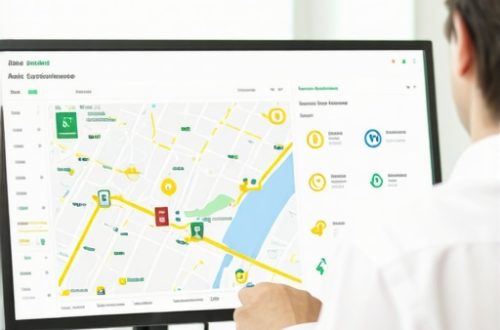

This post really hits home with how easy it is to rely solely on dashboard metrics without actually verifying what’s happening on the ground. I’ve had situations where my rankings looked solid, but the inbound inquiries or foot traffic didn’t match up at all. I’ve started cross-checking rankings with manual searches and tracking actual leads over time, which has been a game-changer. It made me realize how important it is to look beyond just the numbers and focus on conversion-related metrics. I’m curious—how do others here balance quantitative data with qualitative signals like review sentiment or customer engagement? Have you found any effective ways to incorporate behavioral signals into your regular audit routine? It seems that understanding this bigger picture really helps in making smarter, more strategic decisions for local SEO.
This post really resonates with my experience. I’ve definitely seen the disconnect where rankings look promising on the dashboard, but actual leads and customer engagement tell a different story. Cross-checking rankings manually and paying attention to reviews and user signals has been invaluable. I especially agree with your point about the limitations of traditional tools—algorithms and data can be misleading if not interpreted within the right context. I’ve recently started using call tracking and local engagement metrics more seriously, and it’s helped us identify issues that rankings alone couldn’t reveal. Has anyone here had success combining these signals with automation? I’ve been experimenting with scripts to monitor review sentiment and local user interactions, but I’d love to hear what tools or approaches others have found effective to keep this process scalable and accurate.
I really appreciate this deep dive into the pitfalls of relying solely on Map Pack performance metrics. Having worked with local clients for years, I can confirm that dashboards often present a polished surface that hides underlying issues. In one case, our rankings looked excellent, yet our phone calls plummeted suddenly. It turned out that we had a surge in reviews with negative sentiment, which impacted trust and user engagement. Since then, I focus on combining ranking data with actual customer interactions and review analysis to get a clearer picture. The question I have is, how do others effectively integrate behavioral signals like dwell time or review sentiment into their routine audits? Any recommended tools or approaches to make this process both efficient and insightful? These nuanced signals seem to be the future of truly understanding local visibility, and I’d love to hear everyone’s thoughts on staying ahead of the curve.