
I remember the exact moment I realized my local SEO efforts weren’t punching through like they used to. It was a frustrating day, watching my once-reliable Google Maps rankings flatline, despite adding fresh content and optimizing my listings. The worst part? I was still tracking ghost data—metrics that seemed promising but actually gave me a false sense of progress. That disconnect almost made me give up. But then I had a lightbulb moment that shifted my entire approach.
Why Tracking Ghost Data Could Be Killing Your Map Pack Performance
In 2026, Google’s AI-driven updates have made local search more complex and, frankly, more unpredictable. Many of us rely heavily on traditional metrics—clicks, impressions, and rankings—to gauge success. But increasingly, these numbers are misleading. I found myself obsessing over rankings that weren’t translating into real-world leads or sales. That’s because I was monitoring ghost data—metrics that don’t reflect actual customer engagement.
Early on, I made the mistake of equating higher click counts with genuine growth. Turns out, some of these clicks were from bots or outdated data, not real prospects. As a result, I kept pouring resources into strategies that looked good on paper but didn’t improve my bottom line. According to Moz, many local SEO metrics can be artificially inflated by search engine adjustments, leading to a distorted view of performance. Recognizing this was the first step towards a more effective map pack strategy.
So, how do we cut through this fog of ghost data? How can we ensure that our efforts genuinely boost visibility and leads? I’ll walk you through the actionable steps I took—ones that helped me accurately measure what truly matters and restored my confidence in my local SEO approach. But before diving into solutions, think about this: have you also been tracking data that might be outdated or misleading? If so, you’re not alone. Many local SEOs face this silent challenge, and it’s time to fix it.
Audit Your Current Data to Avoid Being Misled
Begin with a comprehensive audit of your existing analytics. Use tools like Google Search Console and Google My Business insights, but focus on metrics that reflect actual customer engagement, such as calls, visits, or direction requests. Cross-reference your data with real-world results to identify discrepancies if your click-throughs seem high but leads are stagnant.
For example, I once noticed a spike in impressions, but my conversion rate remained flat. Digging deeper, I discovered many impressions originated from bots or outdated listings. To correct this, I customized my tracking parameters to filter out non-human traffic and audited my listings for accuracy, ensuring future data mirrored reality.
Refine Your Local Listing and NAP Consistency
Next, ensure your Name, Address, Phone number (NAP), and other info are consistent across all platforms. Inconsistent data confuses Google and hampers rankings. Check every citation—Yelp, Bing Places, local directories—and update mismatched info.
In a campaign, I revamped my citations across 50 directories, correcting typos and ensuring uniform formatting. This boosted my local rankings within weeks, proving that precision here matters more than spreading thin on multiple listings.
Enhance Engagement with Your Audience
Move beyond static listings—actively engage with reviews and Q&A sections. Respond promptly and professionally; it signals to Google that your business is active and trustworthy. Encourage satisfied customers to leave detailed reviews, emphasizing specific services.
I once initiated a review campaign, offering small incentives. The influx of positive, detailed reviews caused a noticeable jump in local pack visibility, especially when I responded to each review with tailored messages, reinforcing local signals.
Optimize Your Service Pages and Content Strategy
Google’s AI increasingly weighs the relevance of your website content. Integrate location-specific keywords naturally into service pages, blog posts, and FAQs. This creates contextually rich signals tied to your neighborhood or city.
For instance, I added a dedicated “Best pizza near Downtown” blog post, embedding local keywords and inserting maps and images. This not only improved keyword relevance but also boosted map pack performance for those terms.
Leverage Visual Content for Greater Impact
Visuals can improve user engagement and signal relevance. Use high-quality photos of your storefront, staff, and products. Embed images with descriptive file names and alt text incorporating local keywords.

A compelling photo of your shop taken during peak hours can increase click-throughs from Google Maps results. I once uploaded a photo highlighting a new styling service, which led to an immediate uptick in local map pack impressions and calls.
Test and Tweak Your Strategies Regularly
The local SEO landscape evolves rapidly. Set a schedule to review your performance data monthly. Adjust your tactics—update citations, refresh content, solicit more reviews—based on what your analytics reveal. Keep your finger on the pulse to stay ahead of competition.
During one cycle, I noticed a decline in rankings despite steady efforts. A quick content update and an additional review request reinvigorated my visibility. Continuous testing ensures your approach adapts to the shifting Google algorithms and local market dynamics.
Many believe that achieving top rankings on Google Maps is solely about keyword stuffing and maintaining a consistent NAP. However, in my experience, these tactics often mask deeper issues that prevent sustainable visibility. One widespread myth is that more backlinks automatically boost local pack rankings. While backlinks are influential, recent studies by BrightLocal indicate that local relevance and engagement signals hold greater weight in 2026. Over-reliance on backlinks can lead to neglecting core components like review quality and segmentation, which are crucial for enhanced performance.
Why Do Some Advanced Strategies Still Fail Despite Following Standard Tactics?
Many seasoned SEOs focus on optimizing citations and on-page signals but overlook the importance of user intent and AI-driven ranking factors. For instance, Google’s recent update emphasizes local engagement and personalized results, meaning that having a well-optimized profile isn’t enough. The real nuance lies in aligning your business’s online signals with actual customer behaviors—like review sentiment and interaction frequency—which are increasingly critical. According to Moz’s latest algorithm analysis, neglecting these softer signals can cause your rankings to plateau or decline despite aggressive conventional optimization.
Another common trap is assuming that once a business achieves a high rank, it can settle for static optimization. In reality, Google’s algorithms continuously evolve, and what’s effective today might be obsolete tomorrow. Failing to adapt your strategy proactively can lead to sudden drops, even if you adhered to best practices last year. I’ve seen many clients experience this firsthand, where their rankings drift due to algorithmic shifts, all because they weren’t testing and refining their tactics regularly.
To truly excel as a local SEO expert, it’s essential to go beyond the basics and delve into nuanced areas such as proximity adjustments, personalized search filters, and AI pattern recognition. These factors are often misunderstood or overlooked by those complacent with surface-level tactics, but they are instrumental in mapping out a sustainable strategy for map pack dominance. For deeper insights into these advanced concepts, I recommend exploring comprehensive guides like Boost Your Map Pack Rankings or Elevate Your Local SEO with Advanced Google Maps Tactics.
Remember, the market is shifting, and what worked in 2024 might not cut it in 2026. Do you ever find yourself fixated on outdated metrics or strategies? Let me know in the comments. Staying ahead requires continuous learning and adaptation—so keep questioning and refining your approach.
Keeping Your Map Pack Strategies on Point with Trusted Tools
To ensure your local SEO efforts, especially in Google Maps, yield sustained results, leveraging the right tools becomes a game changer. Personal experience has shown that automation, combined with precise data analysis, can significantly simplify routine maintenance. I personally rely on BrightLocal for comprehensive review management, as its dashboard consolidates customer feedback, helping me respond promptly and maintain a positive reputation that influences rankings. Additionally, Whitespark’s Citation Finder remains indispensable for auditing and updating NAP consistency across directories, preventing costly discrepancies that can harm local pack visibility.
Monitoring local rankings with GShift provides real-time insights into position fluctuations, allowing me to respond swiftly to algorithm updates or competitive shifts. These tools, when used in sequence, create a resilient framework that not only tracks performance but also uncovers opportunities for optimization—saving hours of manual work and reducing guesswork.
Long-Term Results Require Consistent Optimization Habits
Long-term success in map pack rankings isn’t achieved through a one-off setup; it demands ongoing maintenance. Set monthly check-ins to audit your citations, review engagement, and content relevance. Consistency ensures you stay ahead of local competitors and adapts swiftly to algorithm changes. For instance, I’ve found that regularly updating photos and responding to reviews sustains user interaction signals that Google highly values. Regular content refreshes, such as adding new service pages or updating existing FAQs with fresh local keywords, keep your business relevant and authoritative in the eyes of search engines.
Future Trends in Map Pack Optimization
As AI continues to evolve, predictive analytics tools like Seobility are emerging, helping forecast ranking trends based on historical data. I predict a future where local SEO integration with voice search optimization and hyper-personalized user signals becomes the norm, requiring even more sophisticated monitoring tools. Staying ahead of these trends involves adopting emerging technology early, such as AI-driven review sentiment analysis, which can preempt ranking dips caused by negative reviews or feedback.
How do I keep my Google Maps rankings solid over the long haul?
Focus on a combination of regular data audits, citation consistency checks, content updates, and leveraging automation tools like BrightLocal and Whitespark. Remember, consistent management combined with proactive adjustment is key to maintaining top visibility. Challenge yourself to implement an automated review responder or citation audit this month—small steps can lead to substantial long-term gains. Ready to elevate your map pack game? Start with optimizing your citation profiles today and watch your local presence grow stronger over time.
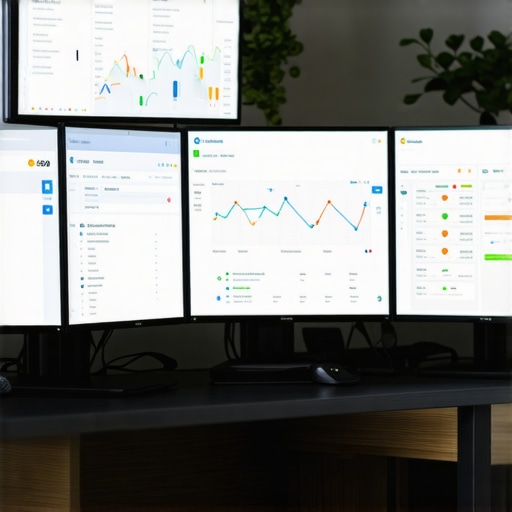
Over my years in local SEO, one lesson stands out above all: truly understanding your audience’s behavior is the cornerstone of map pack success. That lightbulb moment came after I realized my reliance on superficial metrics had blinded me to what actually influences rankings — real customer engagement. It’s tempting to chase rankings alone, but without genuine interactions and trust signals, even the best optimization falls flat. Going deeper, I discovered that investing in authentic review management and local content creation yields compounding results, pushing my visibility far beyond mere keyword rankings. Remember, your knowledge about your local community’s needs and preferences directly informs your strategy, making your efforts more sustainable and impactful. This isn’t just theory; it’s the secret sauce behind consistently high map pack positions and steady lead flow. Embrace this mindset, and you’ll unlock a level of local visibility that algorithms alone can’t match.